CesiumAstro raises US$730 million as it plans 737-satellite constellation
The company intends to operate Synchronicity itself, using AI to direct network capacity. No launch timetable has been disclosed.
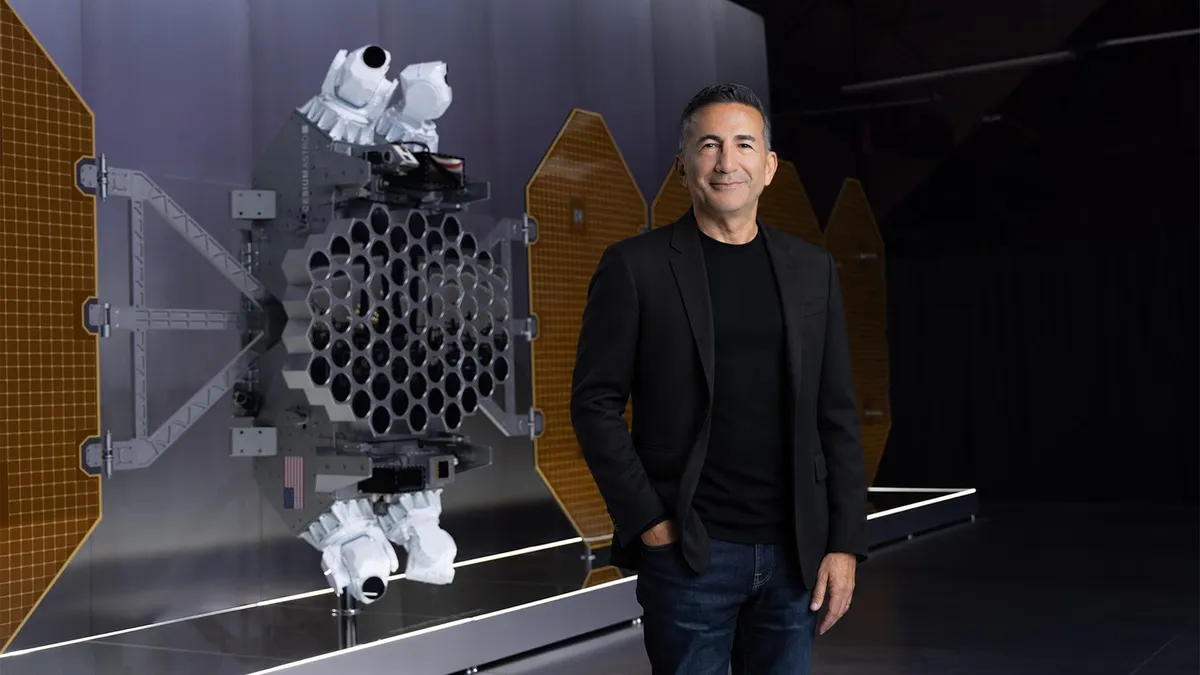
Space communications company CesiumAstro said it raised US$730 million through a Series D investment round, valuing the Austin-based business above US$4.5 billion. It also presented plans for a 737-satellite constellation called Synchronicity, aimed at commercial, sovereign and defense customers.
CesiumAstro will operate Synchronicity, with onboard data processing and AI responsible for managing the network and assigning capacity. Communications will use the Ku, Ka and V bands. Bloomberg reported that the satellites would occupy two different low Earth orbit altitudes. CesiumAstro did not specify when launches would begin.
Janus Henderson headed the funding round, joined by investors including Insight Partners, Sands Capital, Sumitomo Corporation of Americas and Toyota growth fund Woven Capital. Separately, JPMorgan and the Export-Import Bank of the United States provided US$100 million in debt financing.
The proposed constellation extends CesiumAstro’s activities beyond its main product, phased-array satellite antennas. Its Element offering, introduced in 2024, involves building and operating satellites for customers. The first spacecraft, Element-1, is operating after an October launch on a SpaceX Falcon 9 rideshare mission. Seven additional spacecraft have launch bookings.
An expansion at the company’s Austin headquarters will involve US$500 million in spending over five years, including the purchase of roughly 25,000 square metres for manufacturing. CesiumAstro plans to create 550 jobs, which would lift its workforce in the Austin area above 1,000 by 2030.