
Roman telescope camera surpasses predicted optical performance
Engineers measured optical error of 63 nanometers RMS, compared with a prelaunch image-quality requirement of approximately 90 nanometers RMS.
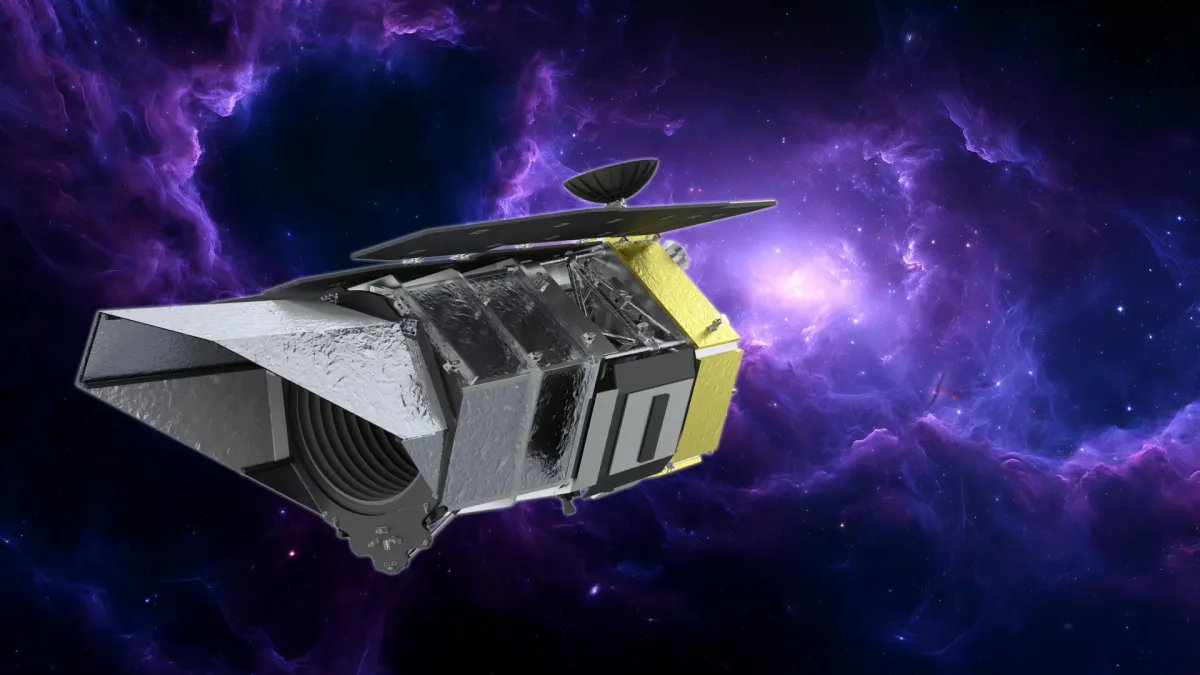
NASA engineers found that the Nancy Grace Roman Space Telescope’s main camera delivered optical performance nearly 30% better than predicted after testing and alignment adjustments. The Wide Field Instrument recorded 63 nanometers RMS of optical error, below the approximately 90 nanometers RMS requirement established before launch.
Roman launched on August 30 and is intended to survey large areas of the sky to investigate subjects including dark matter and dark energy. NASA optical engineer Alden Jurling said the results mean its survey images will be sharper than the team expected.
Testing followed the Wide Field Instrument’s activation in September. Engineers checked its 18 detectors, operating electronics, optical filters and internal calibration lights. They also adjusted its focus and verified the system that controls component temperatures.
The telescope’s optics required only small alignment changes, according to Matthew Bolcar, Roman’s optical systems lead at NASA Goddard. Jurling said engineers shifted the secondary mirror by about one-sixteenth of a human hair’s diameter.
Engineers also corrected a slight focus problem in Roman’s Coronagraph Instrument, bringing it into line with performance expectations. Further work will refine its camera settings and adjustable mirrors. The team plans to test how effectively the coronagraph blocks unwanted light, a capability needed to observe faint objects close to brighter ones.