Apple details HomeView privacy controls for camera and microphone data
The company says isolated processing lets HomeView recognize up to six household members without sending raw recordings to its main operating system.
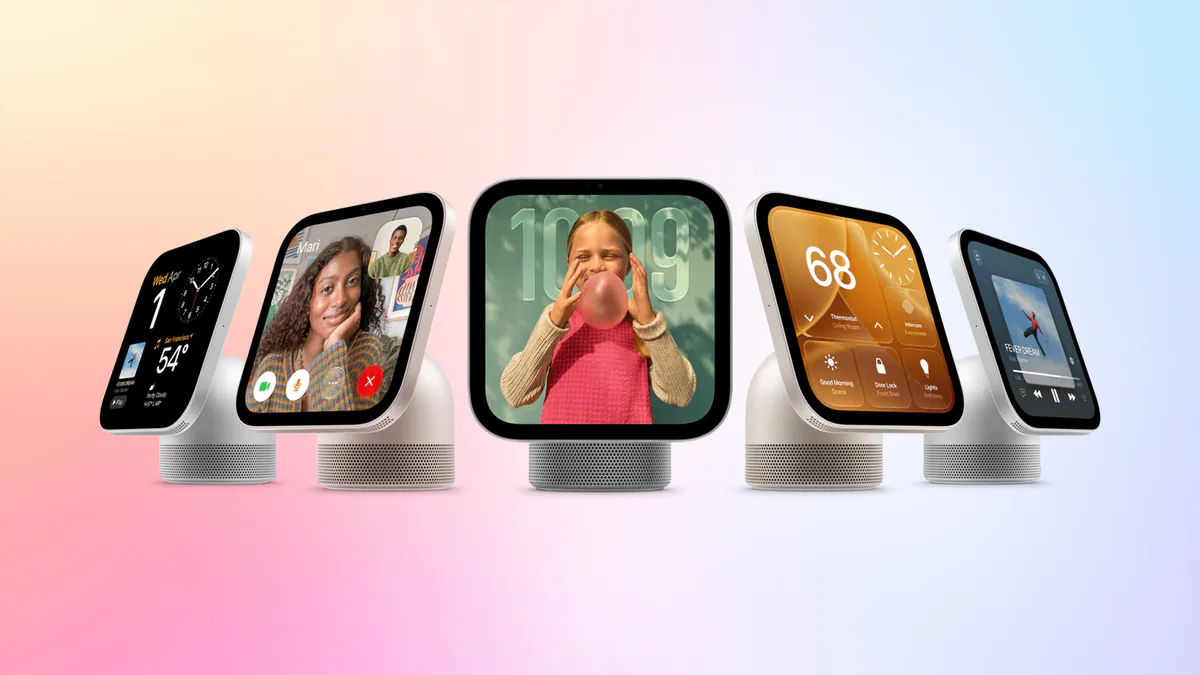
Apple has outlined how its Secure Exclaves technology separates HomeView’s background camera and microphone processing from the main operating system, saying the system enables personalized features while restricting access to sensor data.
According to Apple, Secure Exclaves are isolated computing environments that can use the full application processor. HomeView uses them to recognize up to six people through facial and voice recognition, with separate environments handling camera input, audio and identity matching.
When HomeView detects someone, recognition models compare facial and voice information with a database of enrolled users. Apple says the operating system receives an identifier, the person’s position and a confidence score rather than the underlying audio or images. Those signals support identity-dependent functions such as Calendar and Messages, while raw sensor information is discarded.
Apple distinguishes between ambient and active operation. Ambient sensing runs without an indicator and passes only limited metadata to the wider system. Active operation allows the operating system to receive full sensor data, but Secure Exclaves require the indicator to be on before that transfer can happen, the company says.
Apple says continuously illuminated indicators would not distinguish background sensing from active recording. The technology also protects camera and microphone indicators on the iPhone 18 Pro, Pro Max and Duo, voice data used with “Hey Siri,” and the MacBook Neo’s camera indicator.