
Merz urges faster AI development to reduce Europe's dependence on outside providers
Germany aims to quadruple its AI computing power by 2030, while an economic institute says skills shortages and weak digital services remain obstacles.
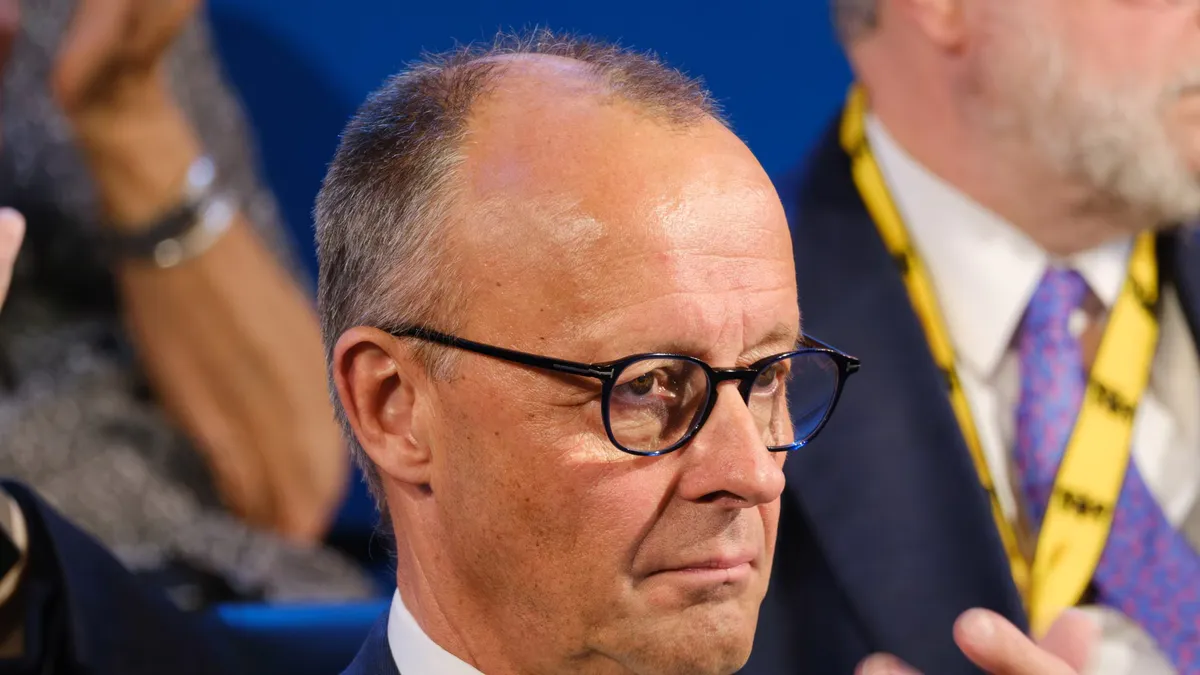
German Chancellor Friedrich Merz urged Germany and Europe to accelerate development of their own artificial intelligence technology, warning that dependence on external suppliers could deepen as AI use expands, Reuters reported. He made the remarks at a Berlin AI conference.
Merz said Germany should be able to develop and run technology throughout the supply chain, covering both hardware and software. He acknowledged that achieving that ambition would demand substantial technological and organizational work, arguing that countries without control over AI would become increasingly reliant on those possessing it.
The investment push includes commitments exceeding €225 billion made by companies including Amazon and Nvidia at a summit, according to Germany's economy ministry. Germany also has a target to quadruple its AI computing power by 2030.
But the Ifo economics institute found that Germany was not yet positioned to take full advantage of AI growth, Reuters reported. It cited a comparatively small high-tech industry, shortcomings in digital public services, a shortage of skills and persistent use of paper processes. Germany introduced its first national AI strategy in 2018.
Merz has created a ministry dedicated to digital affairs and pledged faster digitalization of the economy. He also wants cooperation with like-minded countries, identifying Canada and France after a five-day visit to Singapore, Japan and South Korea. Merz and French President Emmanuel Macron previously co-hosted a Berlin summit focused on European digital sovereignty.