Seoul Semiconductor begins mass production of RGB backlight technology
The company claims its WICOP Pixel technology reaches up to 3,000 nits, but the performance figures have not been independently tested.
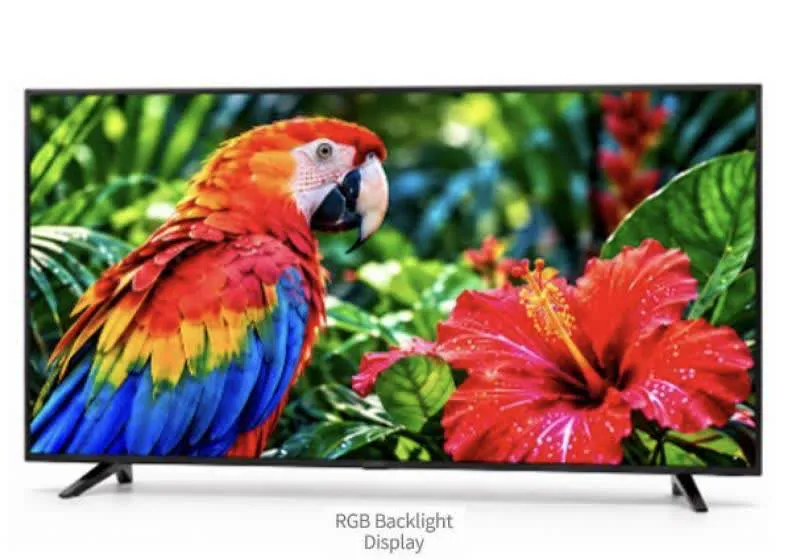
Seoul Semiconductor says its WICOP Pixel display technology has entered mass production and that it has started increasing supplies to global television manufacturers. The company claims the design offers more than three times OLED’s brightness and more than twice its lifespan.
Developed by subsidiary Seoul Viosys, the technology places separate red, green and blue chips behind a conventional LCD panel. The chips sit tens of micrometers apart, with each color controlled separately. Its underlying WICOP design eliminates the housing typically used around an LED die.
Seoul Semiconductor specifies peak brightness reaching 3,000 nits and coverage of 100% of the DCI-P3 digital cinema color gamut. Those figures are manufacturer specifications rather than independently verified results. Performance in finished televisions will depend on panel tuning, local dimming and image processing.
The company plans to repurpose existing white-backlight production capacity instead of committing to substantial new capital expenditure. It reported that display-related revenue increased nearly 20% year over year in the third quarter.
Separately, Seoul Semiconductor is investigating whether it can eliminate the color filter, which represents about 20% of an LCD panel’s material costs. That work remains research and is not a feature in products being shipped.
The company also plans patent licensing and expects royalties to increase revenue and profit. Market researcher Omdia forecasts worldwide RGB TV shipments of about 7 million units by 2030, led by premium large-screen models.