SpaceX gets conditional approval for AI satellite network
The Starmind license allows up to 1 million satellites, but debris plans for spacecraft above 600 kilometers remain unapproved.
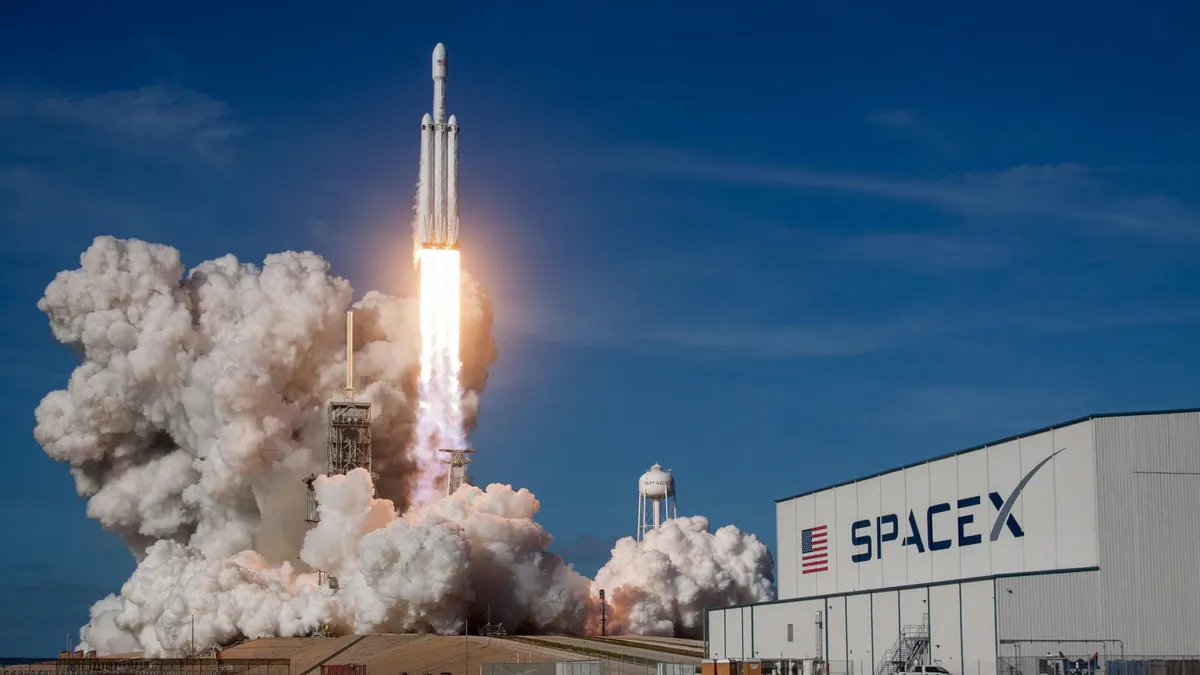
SpaceX has received conditional authorization from the US Federal Communications Commission to deploy as many as 1 million satellites for artificial intelligence computing in space. The decision marks the agency’s first approval of an orbital data center constellation.
The license requires SpaceX to put its first operational satellite into service by 2033 and complete deployment by 2040. Called Starmind, the proposed network would operate at altitudes ranging from 500 to 1,002 kilometers.
Laser connections would carry most communications among the spacecraft and between them and SpaceX’s Starlink network. Radio would provide a backup channel for ground control. SpaceX submitted its application in January, shortly before merging with Elon Musk’s AI company xAI.
Debris arrangements remain unresolved for satellites operating above 600 kilometers. SpaceX is also seeking an exemption from a rule requiring spacecraft below 2,000 kilometers to reenter the atmosphere within five years after their missions end. Its alternative includes transferring some retired spacecraft into different Earth or solar orbits.
The American Astronomical Society, Viasat and Amazon opposed the application. The FCC dismissed their objections, saying questions about impacts on scientific research were beyond its jurisdiction. The astronomy society expressed dismay at the decision.
Other proposed constellations await decisions: Blue Origin has sought permission for 51,600 satellites, while Starcloud’s application covers 88,000. The FCC said those requests would undergo its standard review process.