
Scientists track light-driven electron transitions in graphene
An experiment recorded electrons switching energy bands under intense light fields, with the probability of a transition reaching 100 percent.
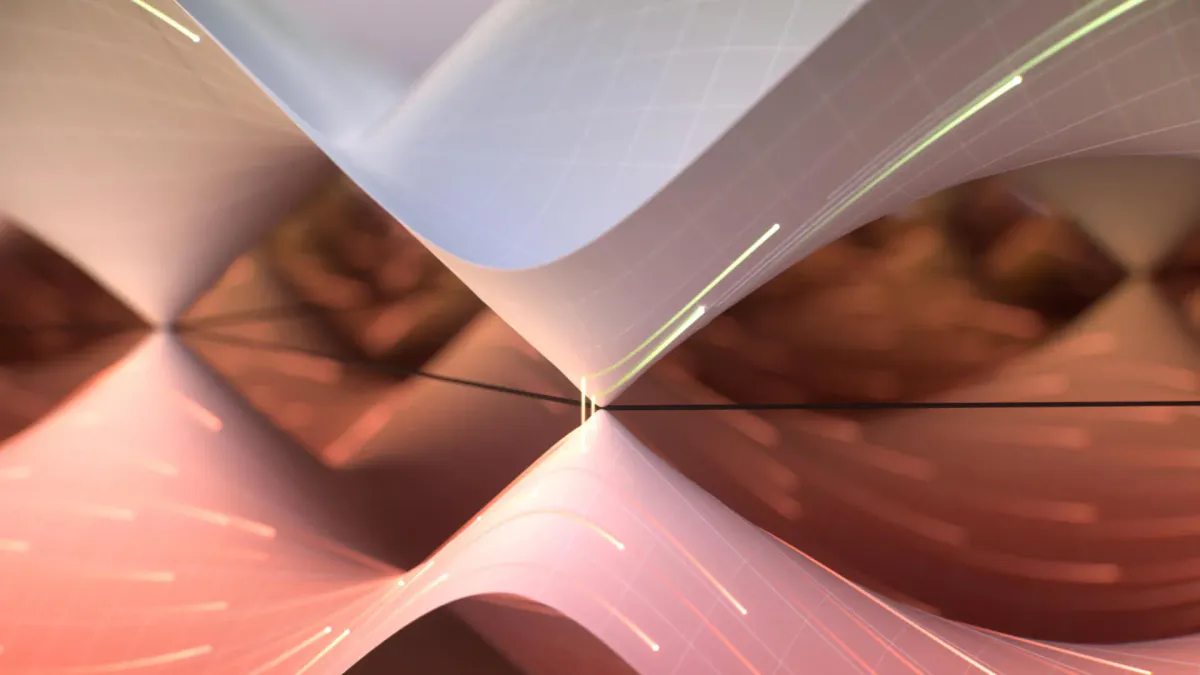
Researchers have directly tracked electrons switching between energy bands in graphene under intense light fields. The team reported that the probability of these quantum transitions reached 100 percent when the fields were sufficiently strong.
Published in Nature, the findings come from researchers at the University of Regensburg, Philipps-Universität Marburg, and Forschungszentrum Jülich. They observed Landau-Zener-Majorana transitions, in which electrons cross gaps separating the energy bands they can occupy.
The experiment combined laser technology with a photoemission momentum microscope. Instead of magnifying the material’s surface, the instrument measured electron energies and motion, allowing the team to map changes as the light’s electric field accelerated the electrons.
The measurements required nearly flawless graphene, consisting of carbon layers one atom thick, produced at Forschungszentrum Jülich. The researchers used specially prepared rotated graphene to make the quantum behavior easier to distinguish from effects caused by material imperfections.
The team also found that interactions between electrons and the crystal lattice gradually disturbed their initially orderly motion. The researchers said understanding those disruptions could support efforts to control electrons using light. They expect the imaging method to work with other quantum materials, potentially extending investigations of how light changes electronic behavior.