Intel gains desktop processor share while AMD expands in servers
Mercury Research estimates Intel added around 5.1 percentage points in desktop processors during Q3 2026, leaving AMD at 29.9%.
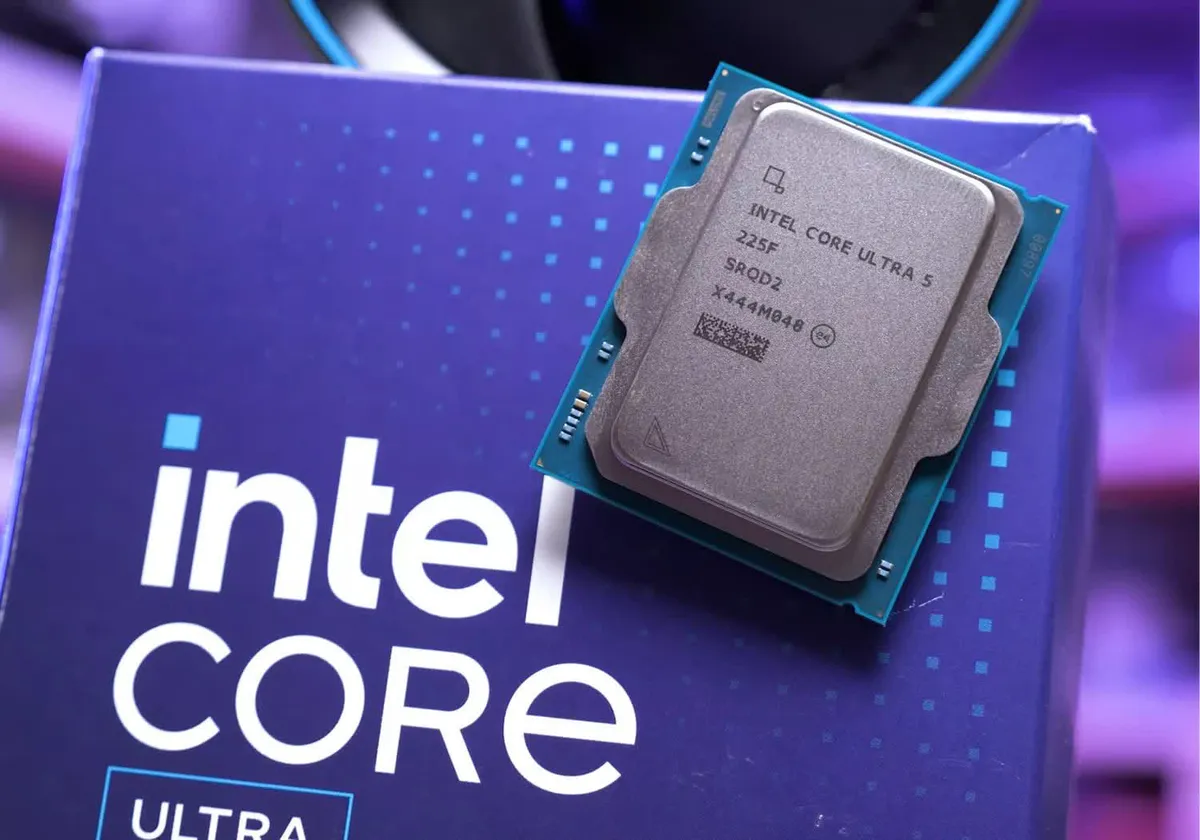
Intel's share of desktop processors reached approximately 70.1% in Q3 2026, Mercury Research estimates show, reversing losses to AMD. The research firm put AMD at 29.9%, while Intel's gain amounted to around 5.1 percentage points.
Server processor sales showed a different pattern: AMD reached 35.5%, compared with 34.5% in Q2 2026. Intel held 64.5% during July–September, versus 65.5% in Q2 2026 and 72.2% in Q3 2025.
Mercury's analysts believe Intel's desktop recovery mainly reflected a manufacturing shift. With laptop processor demand lower, the company redirected capacity toward desktop chips, allowing it to meet rising demand after providing insufficient supply earlier in 2026.
The researchers offered another possible explanation: Intel's sales to OEMs and system builders stayed strong, whereas AMD faced a retreat in gaming and enthusiast demand. Rising hardware prices and limited gaming processor supplies reportedly contributed to that weakness. AMD also reportedly favored data center and AI chip production over consumer desktop volumes despite acknowledging unmet retail demand.
Including IoT and SoCs, Mercury's estimates placed Intel's overall processor share at 66.1%. That was 0.2 percentage points higher than Q2 2026 but 3 percentage points below its 69.1% share in Q3 2025.