Researchers develop process to turn PVC waste into lubricant material
The Virginia Tech study, published in Nature, describes a route to synthetic base oils, but production beyond the laboratory remains a next step.
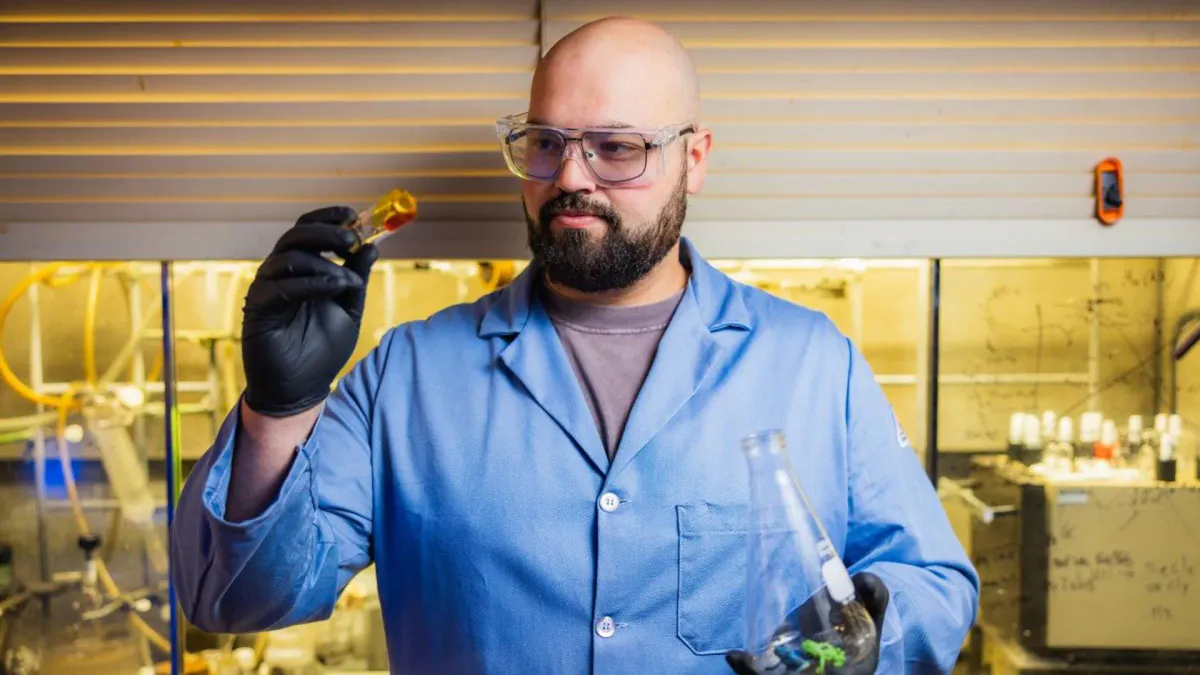
A Virginia Tech research team has developed a chemical method for converting discarded polyvinyl chloride, or PVC, into polyalphaolefin, an ingredient used in synthetic lubricants. The researchers, led by chemist and chemical engineer Guoliang "Greg" Liu, reported their findings in Nature.
The method uses PVC of the kind found in plumbing pipes, window frames and credit cards. Researchers combine the plastic with a solvent, aluminum trichloride and hydrocarbons called alpha-olefins. After heating the mixture for three hours at 158 degrees Fahrenheit, they extract a thick lubricating oil.
PVC presents recycling difficulties because it contains chlorine and manufacturers use varied additives to alter its properties. The team's work identifies a potential way to turn that waste into synthetic base oils used in high-performance engine lubricants.
The approach emerged after attempts to modify PVC's long molecular chains yielded soft, sticky materials with little practical use. Liu then shifted the effort toward breaking those chains into smaller segments.
Researchers at Texas A&M University evaluated the resulting materials, while collaborators at the California Institute of Technology contributed chemical computations. At Virginia Tech, Xi Chen modeled manufacturing and economic aspects. Scaling up beyond laboratory production remains a next step, and Liu hopes to improve the technology's environmental sustainability.