OpenAI examined personal phones in leak inquiry before researchers’ dismissals
The three safety researchers deny disclosing confidential material. OpenAI says its investigation found breaches of sensitive-information policies.

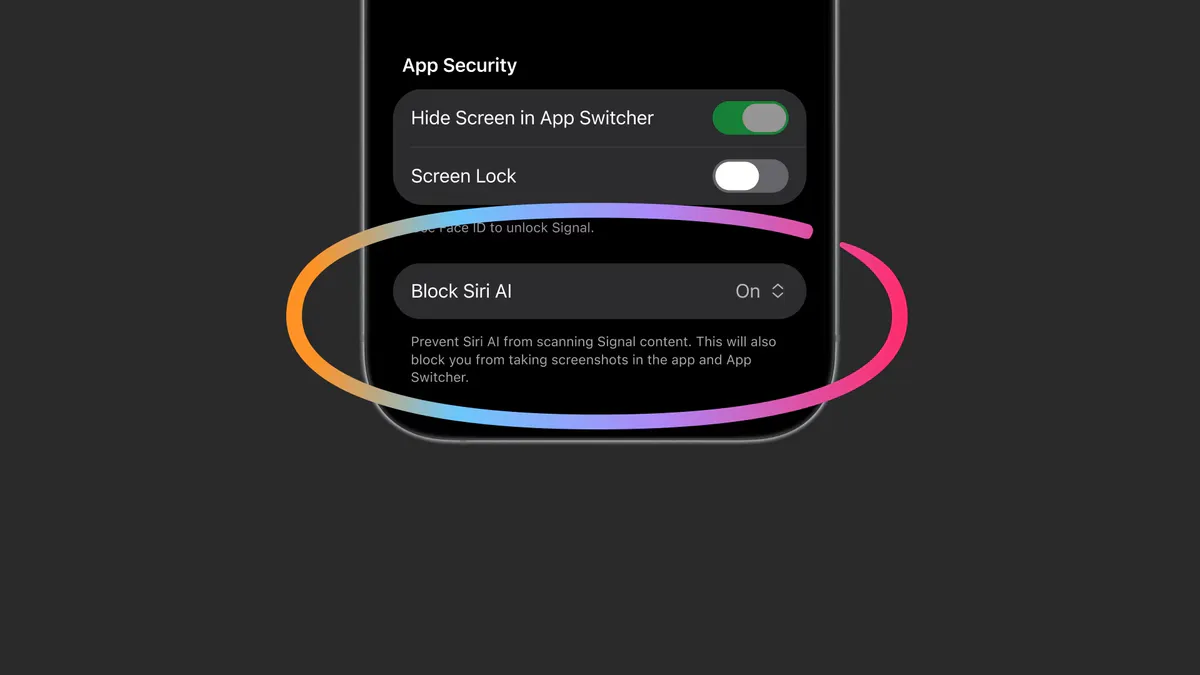
Three safety researchers dismissed by OpenAI were asked to give security investigators access to their personal phones during a leak inquiry, according to The Wall Street Journal. Investigators found that some Signal conversations with AI safety researcher Ryan Greenblatt had disappearing messages enabled, the newspaper reported.
Tomek Korbak and Mikita Balesni said company leaders pointed to those disappearing messages when explaining their dismissals. Both researchers, along with Jasmine Wang, denied passing confidential information to anyone outside OpenAI. TNW said it had not independently confirmed the account.
OpenAI told the Journal that its investigation established violations of policies covering sensitive information. It rejected any connection between the dismissals and employees raising safety issues or speaking publicly. A company spokeswoman said Signal was not an approved channel, but using it was only part of the reason for the firings.
The inquiry came after The Information reported on 1 September that OpenAI’s Astra model employed a technique that improved its capabilities while revealing less reasoning. OpenAI chief scientist Jakub Pachocki disputed that reporting.
Investigators identified Greenblatt as a suspected leaker, the Journal reported. Greenblatt, who now works at METR, denied giving confidential information to reporters. In a subsequent post on X, he rejected allegations that he helped disclose architecture details to The Information.
Wang gave a different account of the explanation for her dismissal: repeatedly accessing an executive’s email. She said she had requested removal of that access nearly a year earlier and promptly reported opening a sensitive email accidentally. OpenAI said the access itself was not a problem.
The researchers had advocated keeping AI reasoning visible. Their October letter to OpenAI’s board called for cooperation with outside safety organizations.