Memory chip shortages push electronics makers into emergency buying
Some chip prices have risen tenfold in a year, while smaller manufacturers struggle to obtain supplies, The Wall Street Journal reported.
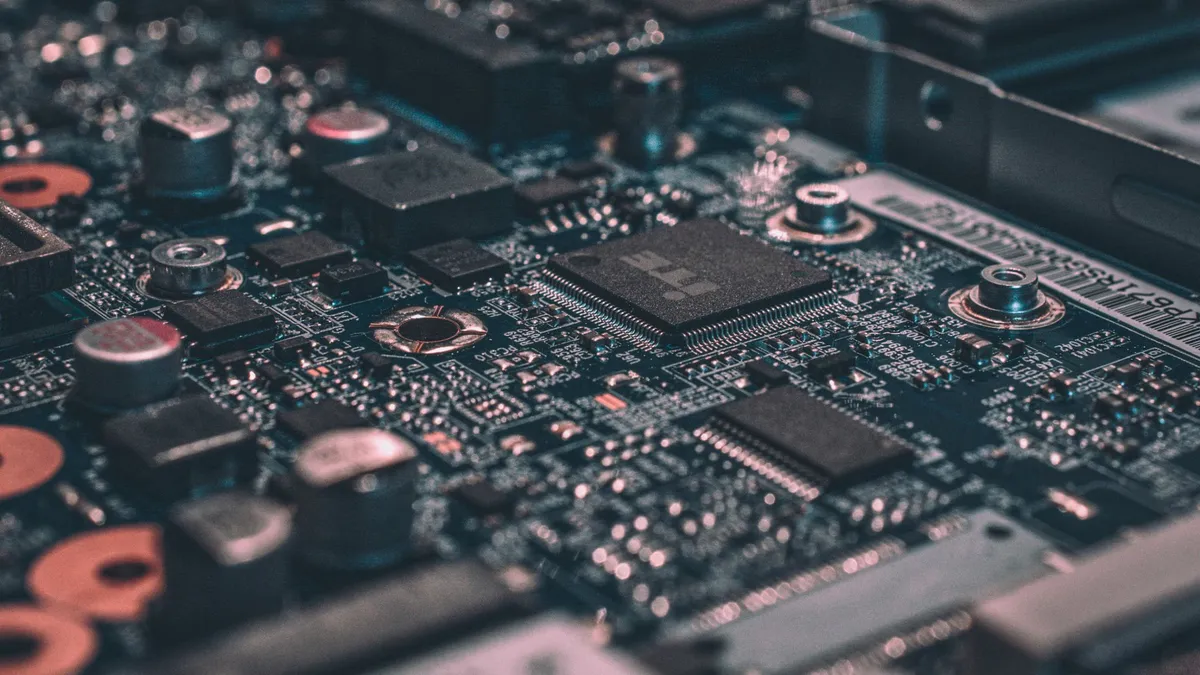
Electronics manufacturers are creating emergency procurement teams as memory chips become harder to obtain, according to reporting by The Wall Street Journal. With some prices reaching ten times their year-earlier levels, buyers are turning to eBay and hundreds of brokers, sometimes purchasing only five to 12 units.
The Journal found that smaller businesses face the greatest pressure. Larger customers can secure long-term agreements directly with producers, leaving other buyers dependent on intermediaries and gray-market supplies. Some sellers have passed off used chips as part of shipments ordered as new components, the newspaper reported.
Apacer, the Taiwanese maker of memory modules, has taken out loans to keep funds available for purchases whenever chips become obtainable, according to the Journal. Meanwhile, Samsung, SK Hynix and Micron are directing production toward high-bandwidth memory for AI chips. SK Hynix has said supply could remain tight until 2030.
The impact extends to Indian phone shoppers. Inc42 reported that around 48 models from Samsung and Xiaomi became ₹1,000 to ₹4,000 more expensive in mid-November. The price of Samsung’s Galaxy A07 5G increased from ₹20,999 to ₹22,999.
For Indian start-ups, GPU rentals have become 30% to 35% more expensive since February, Bharat1 AI co-founder Subhashish Banerjee told Inc42. He said providers are seeking commitments of three to six months rather than the few-hour bookings start-ups previously used.