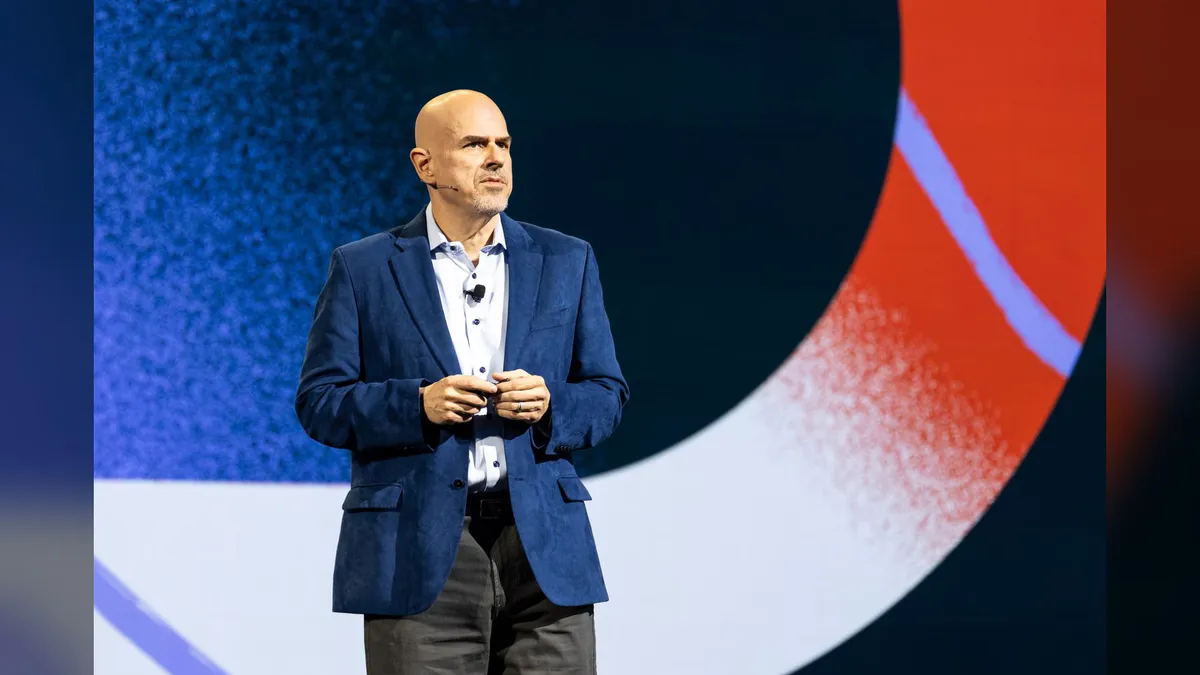
Hendrycks urges frontier AI pause as Hodak warns over enforcement
The Center for AI Safety leader proposed exemptions for specialized models, while Max Hodak argued that antitrust law offered a better approach.
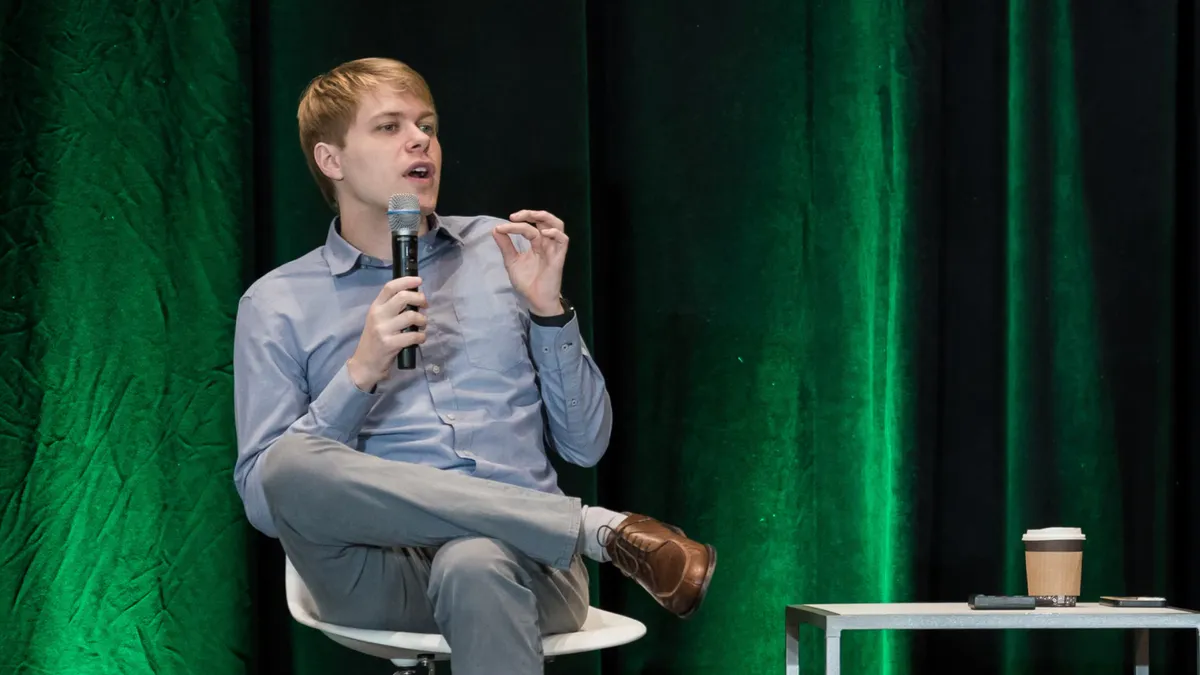
Dan Hendrycks, who leads the Center for AI Safety, called for an indefinite halt to the largest AI training runs at the DealBook Summit in New York. Fellow panelist Max Hodak opposed the proposal, arguing that enforcing it would require sweeping internet surveillance.
Hendrycks said years of resistance from companies to targeted technical rules had persuaded him that broader intervention was necessary. His proposal would exempt specialized systems, including voice models and DeepMind’s AlphaFold, while allowing laboratories to continue selling inference services.
During a pause, Hendrycks said, developers could improve reliability and security, address jailbreaks and backdoors, and help repair vulnerabilities in critical infrastructure. He argued that voter sentiment about AI had given US politicians more room to discuss restrictions.
Hodak, a Neuralink co-founder who now heads Science Corporation, said AI tools were already being used to find infrastructure vulnerabilities. He favored antitrust measures that would limit frontier laboratories to selling intelligence rather than expanding into products such as drugs and cars. In his view, distributing AI widely would be safer than concentrating control among a few actors.
ElevenLabs’ Mati Staniszewski said a pause could succeed with international agreement, but questioned whether that agreement could be achieved. The discussion included concerns about whether China would observe a moratorium.
Lila Ibrahim, Google DeepMind’s chief AI readiness officer, rejected an either-or framing of the safety debate. She said safeguards needed to be integrated into development and that trust in technology was lower than at any other point in her 35-year technology career.