DeepMind philosopher urges caution over creating conscious AI
Henry Shevlin told the Financial Times that public debate should come first and that AI capability should not be confused with consciousness.
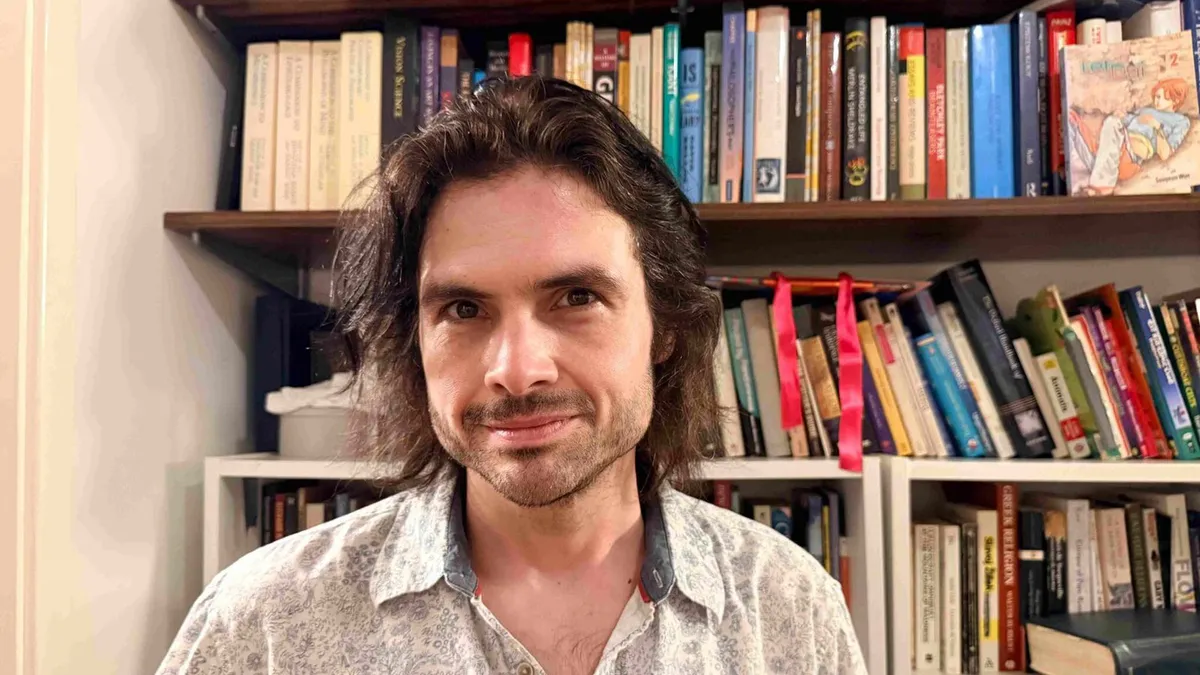
Henry Shevlin, Google DeepMind’s in-house philosopher, has warned against deliberately creating conscious artificial intelligence before society is prepared to address the consequences, the Financial Times reported.
Shevlin called for broader public discussion about consciousness, its implications and the treatment of any AI that might possess it. He compared proceeding without preparations to taking responsibility for a child or pet without planning for its care. Decisions about superintelligent AI should be matters for society and politics, he said.
He also cautioned that an AI system’s abilities do not establish whether it is conscious. Highly capable systems need not have consciousness, while the absence of consciousness would not guarantee safety, he told the FT.
With no scientific consensus on how to explain consciousness, Shevlin said it was impossible to exclude the possibility that a new model could exhibit something resembling it. DeepMind is examining whether theories of consciousness can be applied to AI systems.
Shevlin joined DeepMind in May and works on machine consciousness, relationships between humans and AI, and preparedness for artificial general intelligence. He remains associate director at Cambridge’s Leverhulme Centre for the Future of Intelligence and is also investigating what AI could reveal about human minds.