Caltech robot assembles antenna frame section in orbit
The project’s creators describe it as a first for autonomous construction in space, though ground operators sent commands and monitored the work.
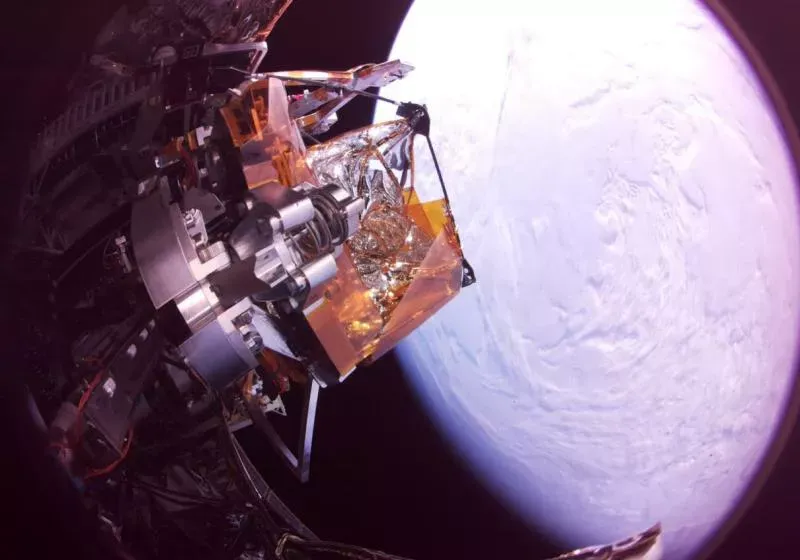
A Caltech robot called ASTRA has constructed a section of an antenna frame in low Earth orbit using separate components. It added the section to two others that had been assembled before launch and then deployed by the machine.
Its creators say the achievement marks the first autonomous construction of a structure in space. The physical work was robotic, but three people on the ground issued commands and reviewed images. When problems arose, the team reproduced them using an identical spare at Caltech before sending a tested fix to orbit.
ASTRA occupies roughly a cubic meter and carries 11 cameras, motorized dispensers and a gantry arm. Moving along three straight axes, the arm retrieved composite tubes and aluminum joints to construct the new section. The robot also attaches a reflective, netlike film that allows the frame to function as an antenna.
The planned antenna would measure 1.4 meters (4.5 feet) across and require 11 sections. Only three are in place, and the team does not expect to complete the frame before the mission ends in December.
DARPA funded the flight to test construction methods that could overcome the size constraints of rocket nose cones. The agency says ASTRA progressed from an idea to operational hardware in orbit in about 15 months.