Tesla designs Cybercab battery to allow a future switch to cheaper cells
Unused space would let the robotaxi accommodate lower-energy-density LFP batteries. It currently runs on nickel-based 4680 cells.
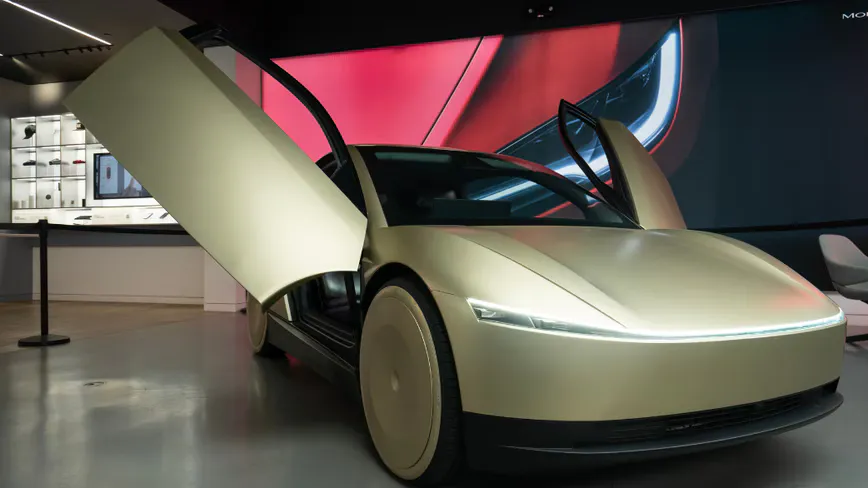
Tesla’s Cybercab could use cheaper lithium iron phosphate (LFP) batteries in the future thanks to space reserved within its battery pack, according to Tesla engineer Robert Sumpf. InsideEVs reported his comments from an appearance on Munro Live.
Sumpf oversees mechanical design for the company’s battery modules and packs. He said the design anticipates using a chemistry with lower energy density as production scales. The Cybercab currently runs on Tesla’s nickel-based 4680 cells.
There is unused space beneath the modules and alongside them. Because LFP cells store less energy, substituting an equal number would mean less range, but the available room could hold additional cells.
Tesla vice president Lars Moravy said another reason for the empty space was that the vehicle needed fewer batteries than originally expected. Separately sealed modules allow individual replacements if a unit fails, rather than the glued arrangement used in the Model Y. Tesla says the Cybercab is built for 500,000 miles.
Manufacturing is also running ahead of deployment, Moravy said, according to Tesla North. He said the production line does not operate daily because its output capacity exceeds the pace at which vehicles enter service. Tesla’s own fleet receives every Cybercab produced so far.
Tesla said Cybercab rides would launch in Dallas in November. The vehicle has neither pedals nor a steering wheel, and US regulators began an investigation in September into Tesla’s certification of it.