Study questions how closely AI vision systems mirror the brain
A York University team found that brain recordings were less effective at predicting AI models’ internal features than the models were at predicting neural responses.
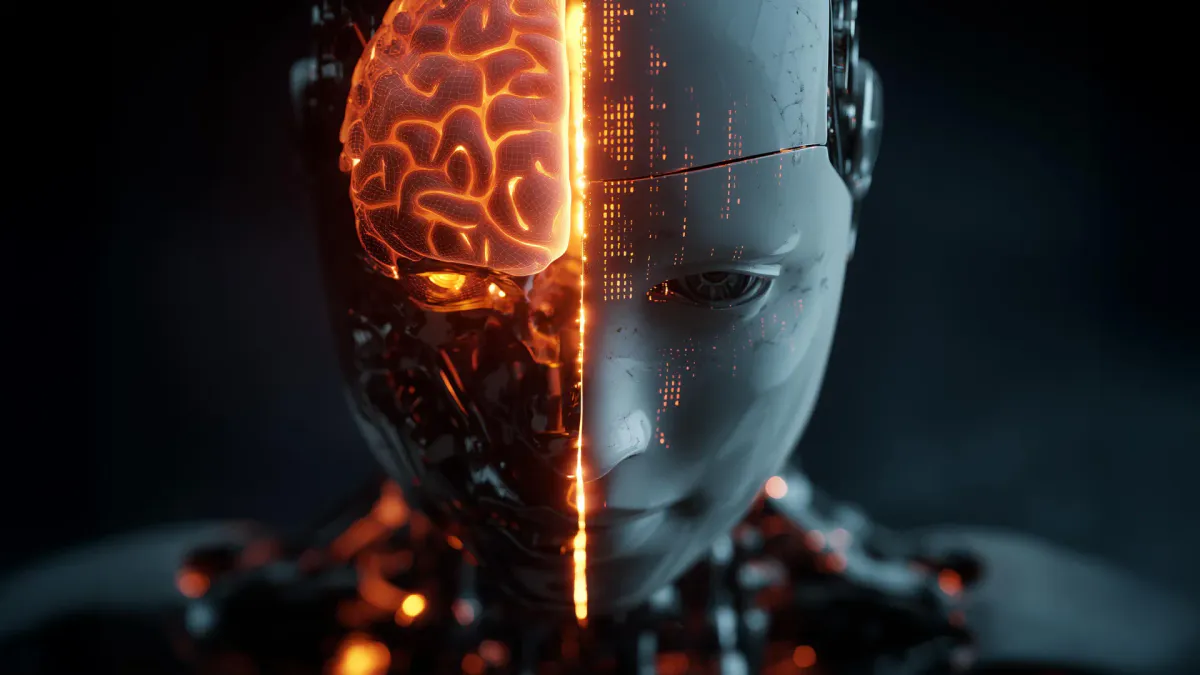
Predicting how neurons respond to images does not necessarily show that an artificial intelligence system processes vision as a brain does, according to research from York University. The study found that the apparent similarity weakened when researchers reversed the direction of their tests.
Published in Nature Machine Intelligence, the research examined artificial neural networks, which neuroscientists use to investigate visual processing. Instead of assessing only whether these systems could predict neural responses, the team also tested whether brain recordings could predict features inside the models.
The models generally predicted neuronal responses successfully. In the reverse test, however, those recordings were much less effective at predicting many internal model features. Comparisons of neural activity from different brains did not show the same discrepancy, the researchers reported.
The team’s method, called reverse predictivity testing, used 1,320 images combining natural photographs with realistic synthetic pictures of 10 familiar subjects. Another 300 images presented those subjects as outlines, drawings and other visual interpretations.
Senior author Kohitij Kar, an assistant professor at York University, said model components more closely aligned with brain activity also predicted human behavior better. He cautioned that judging models only by their predictions of neural activity could allow differences from primate brains to accumulate.
The team has made its testing toolkit public, enabling researchers and AI developers to examine which components of their models correspond to biological neural activity.