
Proxima Fusion signs memorandums with two Japanese companies
The preliminary arrangements cover a study of a possible German superconducting tape factory and collaboration on plasma heating and fueling equipment.
Proxima Fusion, based in Munich, has signed memorandums of understanding with Japan’s Fujikura and Kyoto Fusioneering covering materials and equipment for its fusion technology. Neither memorandum represents a firm order or an undertaking to build. The signing took place in Tokyo during German Chancellor Friedrich Merz’s Japan visit.
Kyoto Fusioneering’s collaboration involves gyrotrons, which generate powerful microwaves for plasma heating, and technology to manage hydrogen fuel. The Japanese company will also contribute technology to Germany’s Fusion Hubs programme, launched by the research ministry with an initial €125 million.
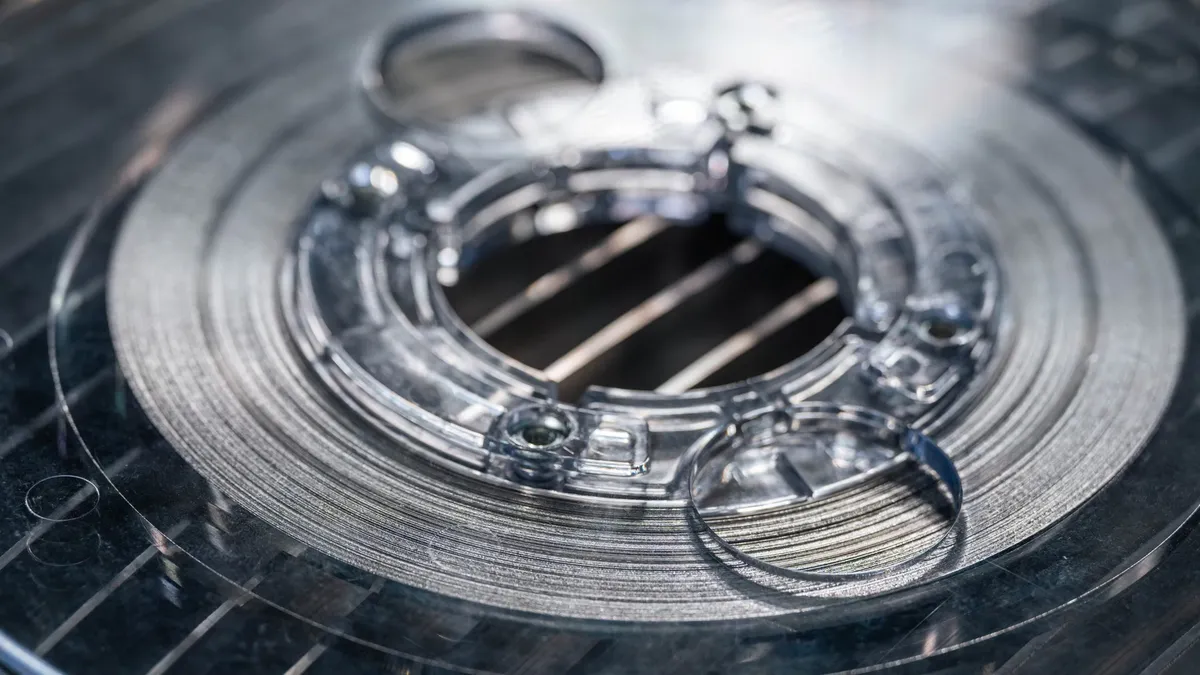
The Fujikura memorandum calls for a feasibility study into producing high-temperature superconducting (HTS) tape at a potential factory in Germany’s Lower Saxony. Proxima uses the material in magnets for its stellarators, machines that contain extremely hot plasma using twisted magnetic fields.
Proxima estimates that its Alpha test machine, scheduled for the early 2030s, will need around 20,000 kilometres of tape. The company puts the requirement for each later commercial Stellaris plant at about 40,000 kilometres. When cooled, HTS tape allows electricity to flow without resistance while operating within very strong magnetic fields.
The startup originated at the Max Planck Institute for Plasma Physics and has around 200 employees. The institute said Proxima raised €411 million in July at a €2.4 billion valuation.