Orange launches five open-weight AI models for Wolof
The models are available through Hugging Face for free non-commercial use, while commercial access may require a separate agreement.
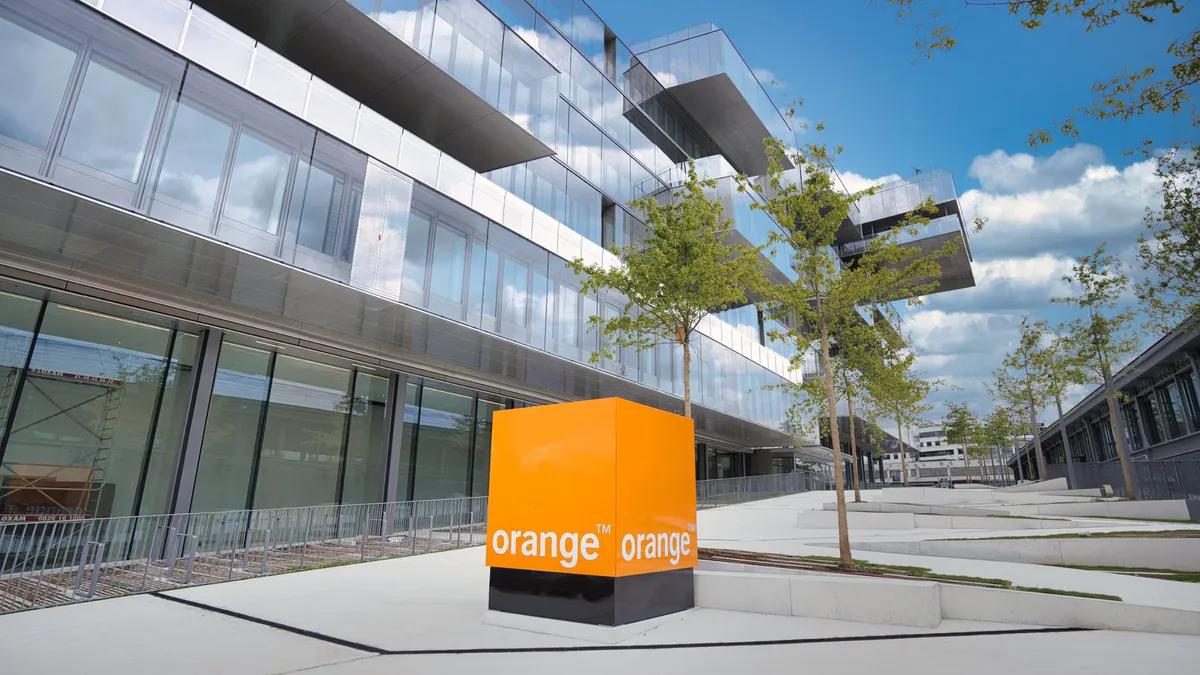
Orange has made five AI models available that understand and generate text in Wolof, which has about 16 million speakers across West Africa. Announced at the company’s OpenTech gathering in Paris, the open-weight models were developed by fine-tuning Alibaba’s Qwen3.
Available on Hugging Face, the models have between 0.6bn and 14bn parameters. Orange said non-commercial work is free, while commercial use may be permitted through a separate agreement. Training relied on publicly available datasets translated automatically into Wolof, without using Orange’s corporate data.
An Orange spokesperson told TNW that Qwen was selected because its performance best matched the company’s language-modeling requirements at the time. Orange’s original project announcement in November 2024 had outlined plans to adapt Meta’s Llama for text and OpenAI’s Whisper for speech.
According to the spokesperson, Wolof-speaking annotators reviewed both training material and model responses. Their testing used blind comparisons across different tasks, with separate assessments of accuracy and how natural the Wolof sounded.
Pulaar remains planned, but now falls within Orange’s voice AI program rather than its text-model work, the spokesperson said. The company is prioritizing voice support for Darija in Morocco and for Dyula and Mossi in Burkina Faso.
Orange also confirmed it is joining a Gates Foundation language partnership launched in September. The initiative has more than 60 partners and aims to bring AI to 3.4 billion people using their own languages and voices.