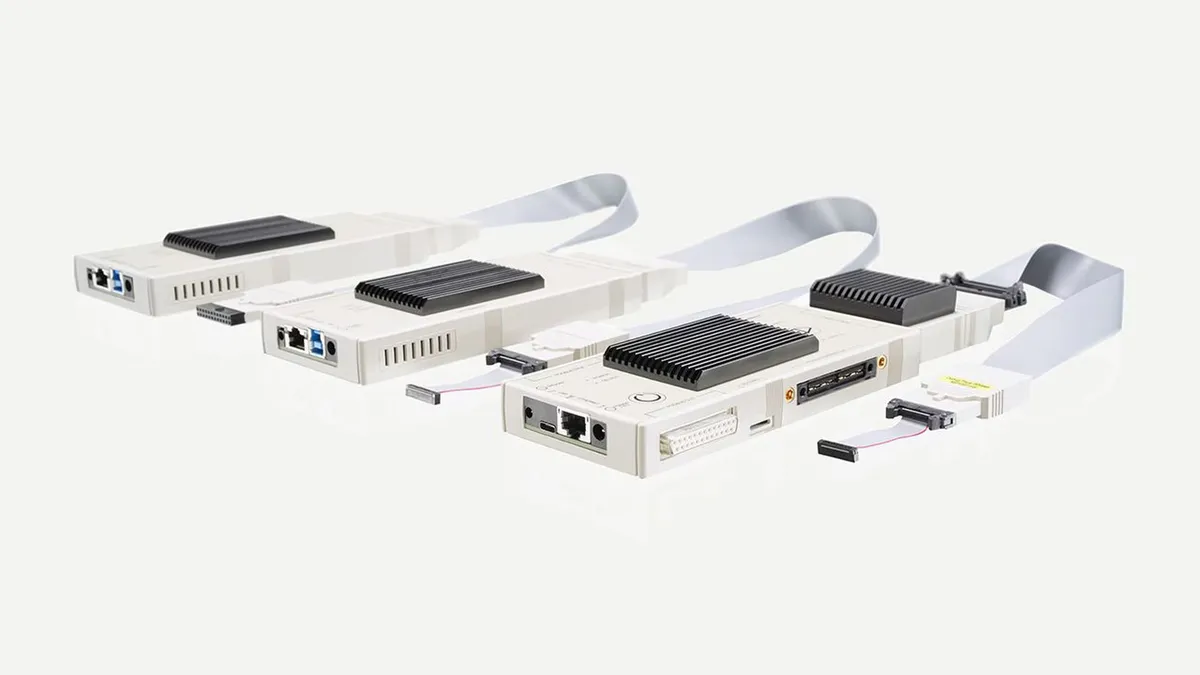
Japanese partners plan medical imaging AI using advanced chips
The project aims to process medical images in real time while using less power, with Fujifilm and Hokkaido University handling AI development.
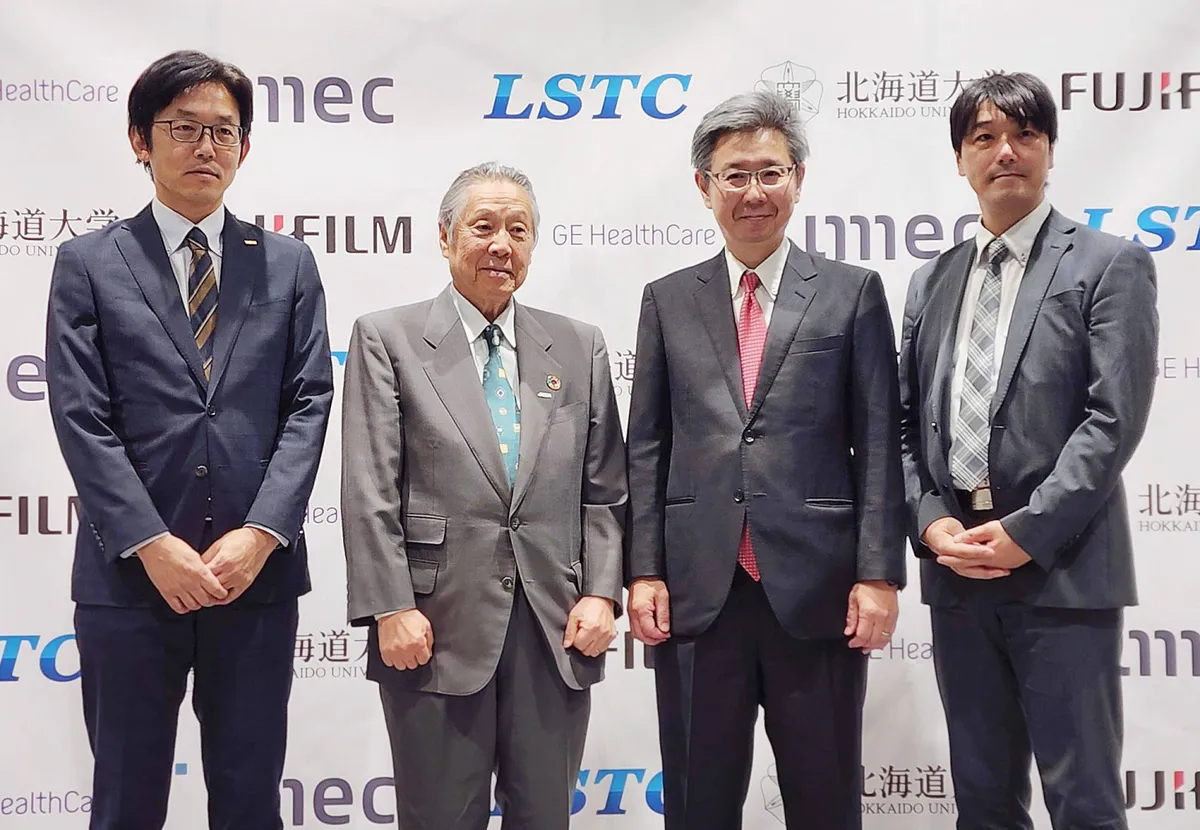
Japan’s Leading-edge Semiconductor Technology Center (LSTC), Hokkaido University, Fujifilm and other partners have announced plans to jointly develop an AI-based system for processing medical images. Their goal is to meet medical facilities’ needs for real-time processing while lowering power consumption through advanced semiconductors.
The partners expect the system to use Rapidus semiconductors whose circuit lines measure 2 nanometers in width. Rapidus aims to produce these chips on a mass scale. The chips would process images more than five times as fast as conventional graphics processing units, with energy efficiency over 10 times that of those units.
Fujifilm’s main task will be developing AI for imaging tests and ultrasound examinations. Hokkaido University will design and evaluate the AI, while LSTC will design the chips. Rapidus is among LSTC’s members.
At a Tokyo news conference, LSTC Chairman Tetsuro Higashi, who also chairs Rapidus, said the aim was to apply advanced semiconductor technology to tools useful in medical settings.