
Intel redirects PC chip capacity to servers amid supply shortages
Xeon 6 production is a priority as AI demand grows, but Intel expects severe supply constraints to persist through 2027’s first half.
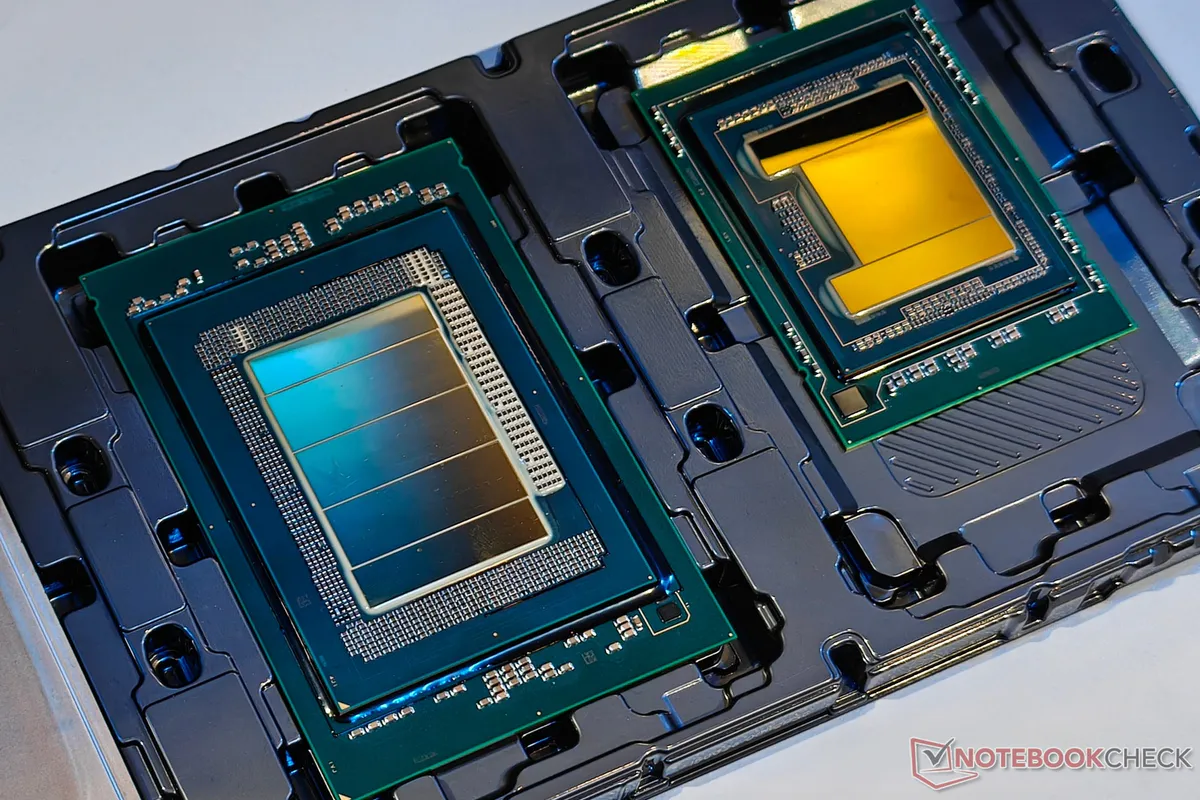
Intel is moving part of its consumer CPU manufacturing capacity toward server processors because demand from AI companies has overtaken production. The company expects particularly tight supplies through 2027’s first half, followed by improvement later that year.
The company is giving priority to Xeon 6 chips built on its Granite Rapids architecture, for which demand already surpasses supply. Intel forecasts continued weakness in the consumer PC market over coming quarters, contrasting with growing demand for server CPUs.
Revenue at Intel’s Data Center and AI division reached US$7.3 billion for 2026’s third quarter, rising 17 percent sequentially and nearly 80 percent year over year. Intel anticipates strong demand across 2027 and 2028 as AI operators introduce inference and agentic workloads requiring more CPU resources.
Its manufacturing expansion includes higher output at Ireland’s Fab 24 and faster equipment installation at Arizona’s Fab 62. In Oregon, Intel is switching some resources assigned to the 18A process for Panther Lake PC chips over to Intel 3 for data center processors. It expects that extra capacity in 2027’s second half.
Packaging materials present another constraint, especially substrates needed for multi-chip CPUs. Intel expects supplier efforts to deliver around 40 percent more substrate capacity during 2027’s latter half. Packaging facilities in Malaysia and New Mexico are also being expanded.
Intel’s capital expenditure plan for 2026 is approximately US$20 billion, with a significant investment increase expected in 2027. The company expects greater output, improved manufacturing yields and more packaging capacity to help meet demand later in 2027 and beyond.