
Aircraft vibration research points to potential drag reduction
Two computational studies explore how materials beneath aircraft surfaces could delay turbulence, with physical prototypes and wind tunnel experiments also being pursued.
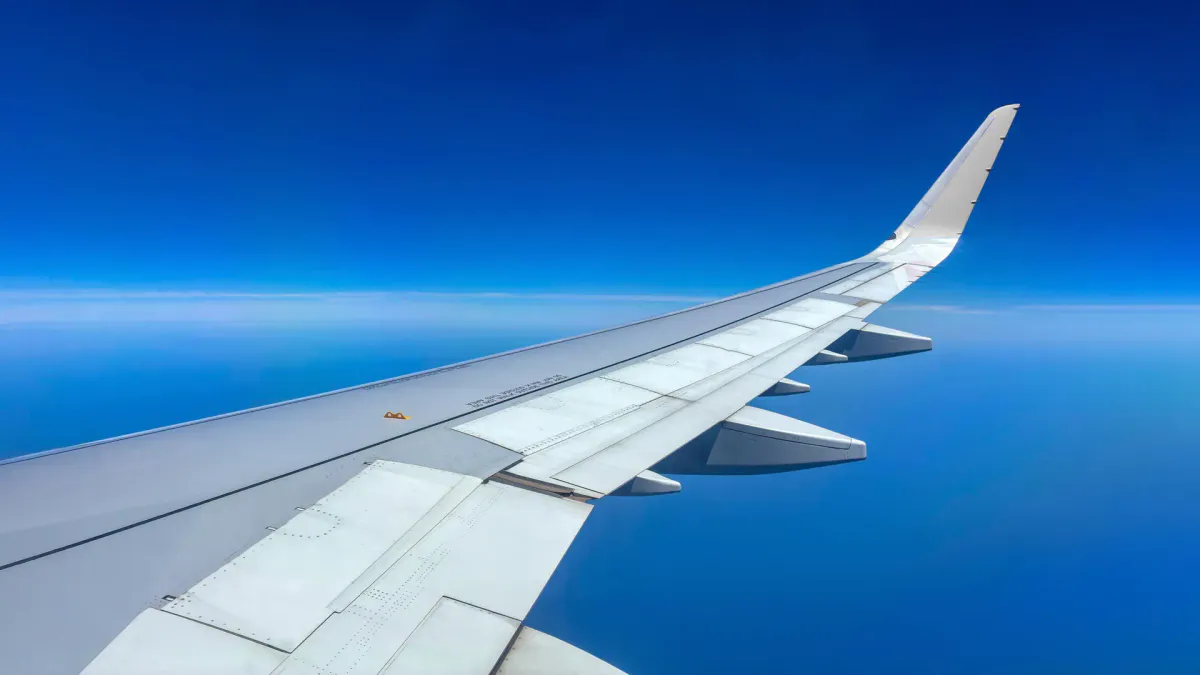
Materials engineered to vibrate beneath an aircraft’s exterior could help reduce drag by postponing turbulence, according to two computational studies by University of Colorado Boulder researchers. The findings suggest ways to control vibrations over more frequencies and influence airflow farther downstream, potentially improving fuel efficiency.
The work, led by aerospace engineering professor Mahmoud I. Hussein, appears in Physical Review X and Proceedings of the Royal Society A. It concerns structures called phononic subsurfaces, which interact passively with vibrations along surfaces exposed to fluid flow.
One finding concerns super-resonance: giving the structures a coiled form lets them affect multiple frequencies rather than just one. Hussein said that capability better addresses the range of frequencies associated with turbulence.
The second phenomenon, scatterless interference, uses arrays of the structures to extend control downstream. The researchers say this arrangement could postpone turbulence across broad areas of aircraft wings or hypersonic vehicle exteriors.
The latest studies are computational, although several research groups have built working prototypes and are pursuing experiments in wind tunnels. Hussein said the approach could leave an aircraft’s external shape unchanged and avoid powered turbulence-control devices. He also cited possible uses in pipelines, marine vessels and turbomachinery.