Apple rises to second in China as smartphone shipments fall to 14-year low
Counterpoint Research put Apple's shipment share at 19.5% in Q3 2026, behind Huawei's 21.3%, as the overall market contracted 10%.
China's smartphone shipments dropped 10% from a year earlier in Q3 2026, reaching their lowest level in 14 years, according to Counterpoint Research. Apple climbed from sixth place to second, increasing its share of shipments by 4.8 percentage points to 19.5%.
Huawei led with a 21.3% share, an increase of 5.3 percentage points. Counterpoint said Huawei and Apple were the only manufacturers among the six largest brands to expand their shares. The others lost ground: vivo's share stood at 15.2%, OPPO's at 15.1%, Xiaomi's at 13.5% and HONOR's at 12.7%.
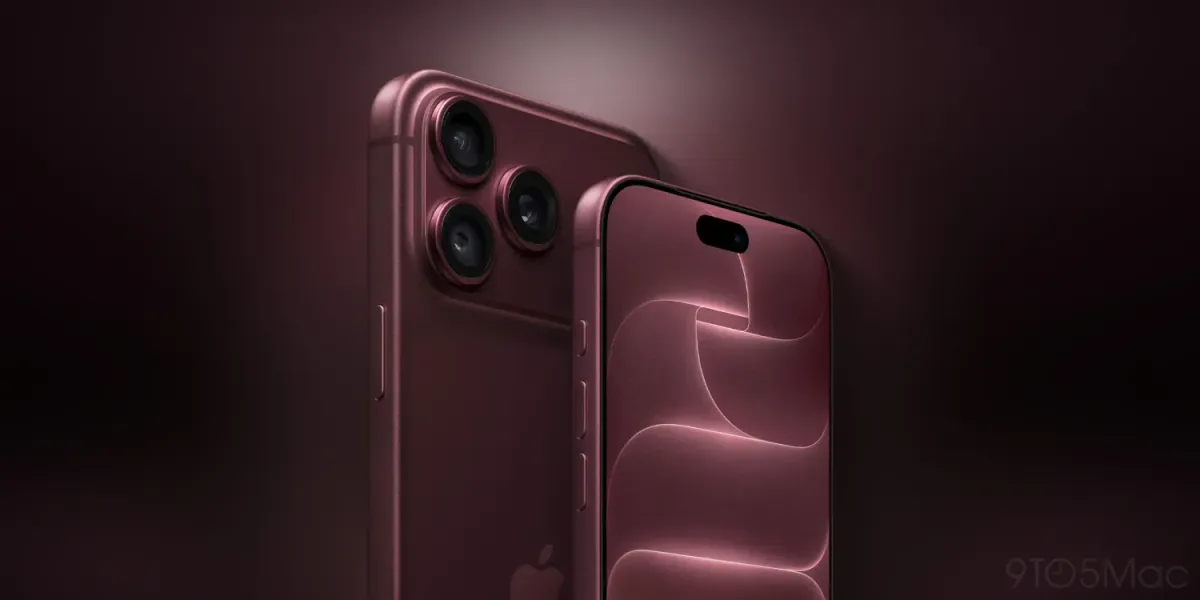
Counterpoint linked Apple's ranking improvement partly to the iPhone 18 Pro series launch. It said sales during the first three weeks exceeded those of the iPhone 17 Pro series by 23.5%. The research firm suggested that delaying the base iPhone 18's launch may have prompted some buyers to choose Pro models instead.
A separate estimate from IDC showed a steeper contraction in China, with shipments falling 15.4% year over year during Q3 2026. IDC put Apple's share at 17.8%, even as its iPhone shipments declined 4.3%. The two research firms therefore reported different figures for both the market's decline and Apple's share.